Retail and CommerceRetail and Commerce ITPOS posting
RetailEodTransactionalStatementCalculate_Batch
Business process
Post store end-of-day financial statements in Dynamics 365 Commerce
Menu item
RetailEodTransactionalStatementCalculate_Batch
Show what matters for
PAGE GUIDEWhat the page does and how to use it7 sections. Choose a role to highlight what matters to you.
Everyone
1What it is and why
What it is
A batch job that adds all unposted, validated store sales transactions to new transactional statements.
What you do here
Use this page to schedule high-frequency calculation of transactional statements during the day so documents are created soon after transactions are uploaded.
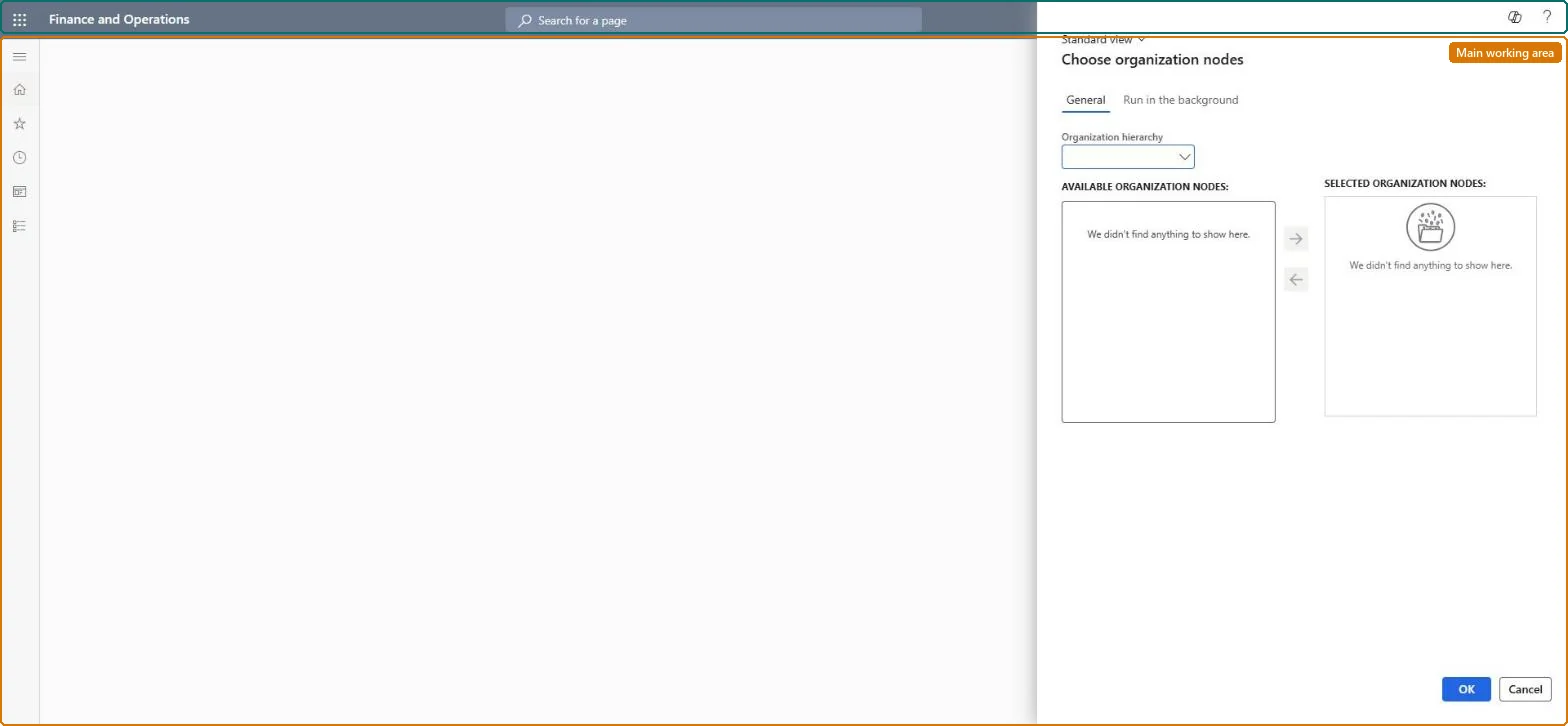
The page in Dynamics 365. page title tab to open what to set or check
About the examples: Examples and screenshots in this guide use BEAT, a demo company in a Dynamics 365 test environment. Use your own company's codes and values instead of copying them.
When to run it
When to run it
During the business day, each time the P-job and Validate store transactions have brought in new store sales.
How often
High frequency throughout the day, at the same pace as the P-job and validation.
Batch settings
A recurring batch job with a short interval, scheduled after the P-job and Validate store transactions.
What the output shows
New transactional statements with all unposted, validated store sales transactions. If a sale is missing, it usually failed validation or wasn't uploaded by the P-job yet.
Yes, before posting: Nothing is posted yet. Clear statement frees the marked transactions so they go on a new statement. Microsoft Learn
If you change it later
Creates transactional statements and marks the validated store sales transactions with the statement. Microsoft Learn
Technical architect
5Technical
Menu item
RetailEodTransactionalStatementCalculate_BatchChecked in Dynamics 365
Form
RetailOperatingUnitPickerChecked in Dynamics 365
Roles to set it up and use it
To use itRetail service RetailServiceRetail operations manager RetailOperationsManagerRetail store manager RetailStoreManagerGive people one of these roles. On this system, 3 roles can run this page.Checked in Dynamics 365